Saturday, December 9, 2006

Rad Na Thai Shrimp

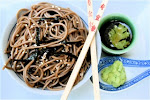
Every so often I find myself craving Continental’s Rad Na Thai Chicken. I was first introduced to this warm bowl of fresh rice noodles, bean sprouts, scallions, peanuts, chicken and slightly wilted romaine by a friend who described it as “a big bowl of goodness.” And that it is. You can imagine my excitement when I came across a recipe for this Continental staple in Aliza Green’s new cookbook, Starting with Ingredients. More exciting was discovering how easy the dish is to prepare—the sauce only has four ingredients—and once all of the ingredients are prepped, the dish takes fewer than ten minutes to complete. Here I’ve prepared the dish with shrimp but any cut of meat that can be quickly sautéed—thinly sliced chicken, pork or beef—can be easily substituted for the shrimp. Some of the ingredients, such as the fresh rice noodles, will have to be purchased at an Asian grocery store. My favorite is Hung Vuong Market at 11th and Washington (there is a link to the market in the sidebar). Look for the uncut fresh rice noodles that are packaged in clear plastic with red writing in the non-refrigerated section of the market.

Rad Na Thai Shrimp
Serves 3-4

Sauce:
6 tablespoons Chinese oyster sauce
3 tablespoons Asian fish sauce
3 tablespoons sugar
3 tablespoons rice wine vinegar

Combine all ingredients in a small pot and bring to the boil. Reduce heat and simmer 5 minutes. Cool before storing.
Keeps in the refrigerator for up to 1 week.

Rad Na:
2 tablespoons canola oil
1 pound shrimp 16/20 count, peeled and deveined, tails left intact
2 eggs, lightly beaten
1 pound fresh rice noodles, cut into 3/4-inch wide strips
1/2 teaspoon crushed red pepper flakes
Rad Na Sauce (see recipe above)
1 bunch scallions, thinly sliced
1/2 pound fresh mung bean sprouts
1 cup roasted salted peanuts
1 head romaine, outer leaves removed, cut into squares

Heat a skillet or wok until smoking hot. Add the oil and heat again until smoking. Add the shrimp and let cook on one side for about a minute and a half. Flip the shrimp, cook for another minute, and then transfer to a plate--the shrimp should still look slightly raw (they'll continue cooking as they sit and they'll finish cooking at the end when they are tossed with all of the hot ingredients). Let the oil heat up again, another 20 seconds or so, then add the eggs. Stir vigorously to break up the egg as they cook.

Add the noodles, crushed pepper, and Rad Na Sauce. Stir to combine and coat noodles. When noodles are hot and coated with the sauce, add most of the scallions, most of the sprouts, and most of the peanuts. Return the shrimp to the pan, stir well to combine and coat all of the ingredients with the sauce and remove from heat.

Divide the lettuce between 4 bowls. Top with the hot noodle mixture and garnish with the remaining scallions, bean sprouts, and peanuts. Serve immediately.

Wednesday, December 6, 2006

Steak Frites with Aioli

Last night my husband and I had the pleasure of dining at Monk's for the first time since the institution of the smoking ban. What a treat! Unspoiled by oppressive smoke, our Belgian ales and pommes frites with bourbon mayonnaise tasted exceptional. If you have a deep-fryer at home, recreating this classic bistro fare is quite simple; if you don't, the process of frying the potatoes will just be slightly more involved. As for the bourbon mayonnaise, we were only able to coax our waitress to reveal a few ingredients--bourbon, mayonnaise, garlic and jalapenos--the rest is the chef's secret. I've supplied a recipe for a spicy aioli, which is delicious with frites and a little less creamy tasting than Monk's famed condiment. The aioli recipe yields more than enough for two servings of frites and will keep for weeks in the refrigerator. Enjoy!

Steak Frites with Aioli
Serves 2

2 egg yolks
2 T. Dijon mustard
2 cloves garlic
3 T. capers
2 tsp. fresh lemon juice
1 tsp. Sriracha*
1 tsp. red wine vinegar
½ tsp. Worcestershire sauce
½ tsp. kosher salt
½ cup grapeseed oil
½ cup olive oil (not extra-virgin)
* (available at Asian markets, or use ½ tsp. cayenne pepper)

1 tsp. black peppercorns
1 tsp. Szechwan peppercorns*
1/2 tsp. white peppercorns
1/2 tsp. red peppercorns
* If you can't find Szechwan peppercorns or red peppercorns, just use a mix of black and white
1 tsp. olive oil
kosher salt
2 New York Strip Steaks, 1-inch thick
1 tsp. canola oil

4 cups peanut or canola oil for frying

1 Idaho potato
¼ cup all-purpose flour
kosher salt to taste

To prepare the aioli: combine yolks, mustard, garlic, capers, lemon juice, Sriracha, vinegar, Worcestershire and salt in a blender or food processor. With motor running, slowly drizzle in the grapeseed oil followed by the olive oil—drop by drop at first, and then more quickly once you see the mixture begin to emulsify. Taste, adjust seasoning with more salt if necessary, and chill until ready to use. Will keep for 2 weeks in the refrigerator.

To prepare the pepper rub, toast all of the peppercorns over medium-high heat in a small heavy skillet. After about 2-3 minutes, when the mixture is fragrant, transfer mixture to a spice grinder and coarsely grind. Pat the steaks dry, rub each side with the oil, then rub the peppercorn mixture all over each side. Sprinkle each side with kosher salt and set aside.
Preheat the oven to 450˚F only if you prefer your steak cooked more than rare. Heat a heavy oven-safe nonstick skillet or cast iron pan over high heat. Add the teaspoon of canola oil, swirl around, then add the steaks. Let cook 3-4 minutes on one side. Flip and cook for another 3 to 4 minutes for rare. If you prefer your steak more well-done, transfer skillet to oven and cook until desired temperature is reached. Transfer the steaks to a cutting board and let rest for 5 minutes. While the steak rests, cook the frites:

Heat oil in heavy, straight-sided pot till 375˚F or preheat your deep-fryer. Meanwhile, peel potato and julienne on mandoline. Place potato strips in a bowl and lightly coat and toss with half of the flour. If not all of the pieces are lightly coated, use the additional flour. When oil is ready, gently lower potatoes into oil with a spider or clean bowl—don’t dump the potatoes in using the same bowl in which they were coated with flour. When potatoes are crisp and golden, remove from oil with spider or tongs, let drain slightly and sprinkle to taste with kosher salt.

Serve immediately with aioli.

Monday, December 4, 2006

Rosemary-Olive Dinner Rolls

My inspiration to make these rolls again stems from a recent restaurant experience. The other night, my husband and I met two friends for dinner for a late dinner at Meritage (20th and Lombard). We sat at the bar, ordered a bottle of wine and spent the first hour chatting. By the time we placed our order, we were all famished--a condition wholly magnified by the wine. Needless to say, the timing could not have been more perfect for the delivery of the piping hot seeded and salted rolls to each of our bread plates. Although the bartender warned us that the rolls had just emerged from the oven, none of us could refrain from tucking in. Sometimes nothing satisfies like warm bread and butter. These rosemary-olive pull-apart rolls similarly release steam as they are separated and are delicious when served immediately with softened butter.

Rosemary-Olive Dinner Rolls
Yield=9 (2-oz) Rolls

Starter:
1/4 cup (2.5 oz) water
a heaping 1/2 cup (2.5 oz) whole wheat flour

Rolls:
1/4 cup (2.5 oz) starter
1/2 cup (5 oz) water
1 and 7/8 cup (8.5 oz) bread flour
1/2 tsp. instant yeast
1/2 tsp. table salt
1/4 cup (2 oz) chopped, pitted Kalamata Olives
1 tablespoon finely chopped rosemary

To make the starter, stir together the flour and water. Let stand at room temperature until bubbles slightly, stir to combine, then cover with plastic wrap and let stand at room temperature overnight.

The next day, place 1/4 cup or 2.5 oz of the starter into the bowl of a stand mixer. (See note below for what to do with remaining starter.) Add the water, bread flour and yeast. Mix on low speed for one minute until the mixture has come together slightly. With the mixer running add the salt, increase the speed to medium-low and mix for five minutes. The dough should be balled up around the hook. If it is not, add more flour a little bit at a time until the dough is wrapped around the hook. After five minutes, return the speed to low, add the rosemary and olives and mix for 1-2 minutes until olives are slightly incorporated. Stop machine, scrape down dough, and turn out onto lightly floured work surface. Knead for 2-3 minutes until the rosemary and olives are evenly incorporated. Dust some more flour onto the board, cover dough with clean kitchen towel and let rest for 90 minutes at room temperature or until almost doubled in size.


After the 90 minutes, start dividing the dough. I portion each roll into 2-oz pieces, but if you don't have a scale, roughly divide the dough into 9 equal pieces. Line a sheet pan with parchment paper or a Silpat. Ball each piece of dough into a nicely shaped roll and place on prepared sheet. Place the rolls next to each other--just barely touching--so that when they rise, they rise into each other. Lightly spray the tops with cooking oil or with water, cover loosely with plastic wrap and place in a warm area to rise again, until nearly doubled in size. Depending on how warm the area is, this may take between 30-50 minutes. Preheat the oven to 475 degrees F.

When the rolls have puffed nicely, gently remove the plastic wrap and place in preheated oven. Bake for approximately 15 minutes. If rolls sound hollow when gently tapped, remove them from the oven. Otherwise, return to oven to bake for 3-5 minutes longer, check again, and remove when ready. Bring to the table, gently pull apart (be careful of the hot steam), and serve immediately with softened butter. Enjoy!

Note: You may have extra starter. Place remaining starter in a Tupperware container, add one cup of water, and one cup of whole wheat flour, stir, let sit until bubbles, stir again, then store in refrigerator until ready to use for another recipe. It will keep forever. I always have a white and a whole wheat starter in my refrigerator, and I "feed" them with equal parts flour and water each time I take from them.

Sunday, December 3, 2006

Barely Wilted Spinach Salad


Although my kitchen shelves are filled edge to edge with various cookbooks, I always find myself referring back to a select few. One happens to be Alice Waters' Chez Panisse Vegetables. The other day I was looking for a sautéed brussels sprouts recipe, became unintentionally engrossed and found myself in the spinach section. In this section Alice Waters describes a simple method for making a warm spinach salad. It basically involves placing fresh spinach in a stainless steel bowl, tossing the leaves with a little bit of dressing and heating the bowl over a pan of simmering water until the leaves are just barely wilted. The method works beautifully and is much healthier than using the traditional warm vinaigrette created by reducing rendered bacon fat with vinegar. Moreover, it is healthier than many salads in general because wilted greens require a smaller proportion of dressing than do unwilted greens. It is also delicious. Here, I've prepared the spinach in the classic Roman style with raisins, pine nuts and sautéed apples, but the recipe could be adjusted in any number of ways. For a nice winter side dish turn your favorite spinach salad into a warm wilted salad employing this method.

Warm Spinach Salad
Serves 2

6 oz baby spinach
1/4 cup raisins
1 tablespoon of olive oil
1 apple, peeled and small diced (I used a Honey Crisp)
1 medium shallot, small diced (about 1 tablespoon)
1/4 cup toasted pine nuts
2 Tablespoons balsamic vinaigrette (see recipe below)

Balsamic Vinaigrette:
2 tsp. honey
kosher salt and freshly ground pepper to taste
1 clove garlic, minced
1/4 cup balsamic vinaigrette
6 tablespoons grapeseed oil

To make the vinaigrette, whisk together the honey, salt, pepper, garlic and balsamic vinegar in a small bowl. Slowly drizzle in the oil, whisking constantly. Taste, adjust with more salt, pepper or oil if necessary. Store until ready to use.

To make the salad, place the spinach in a large stainless steel bowl and set aside. Fill a straight-sided sauté pan with one inch of water and heat until just barely simmering. If the raisins are very dry and shriveled, place them in a bowl and cover with some boiling water. Let stand 10 minutes until nicely plumped, drain and set aside. In a medium-sized sauté pan, heat 2 tsp. of the olive oil over medium-high heat. When oil is barely smoking, add apples and sauté until nicely golden brown, but still hold their shape, about 3-5 minutes. Transfer apples to bowl with spinach. Heat remaining teaspoon of oil in pan, add shallots and sauté until soft and slightly caramelized, another 3-5 minutes. Add the pine nuts and the drained raisins and sauté for 15 seconds more, then transfer to the bowl with the spinach. Toss the spinach mixture with the 2 tablespoons of dressing and place bowl over pan with simmering water. Increase the heat to high and with tongs, gently toss spinach in bowl until nicely wilted. Serve immediately. Enjoy!